
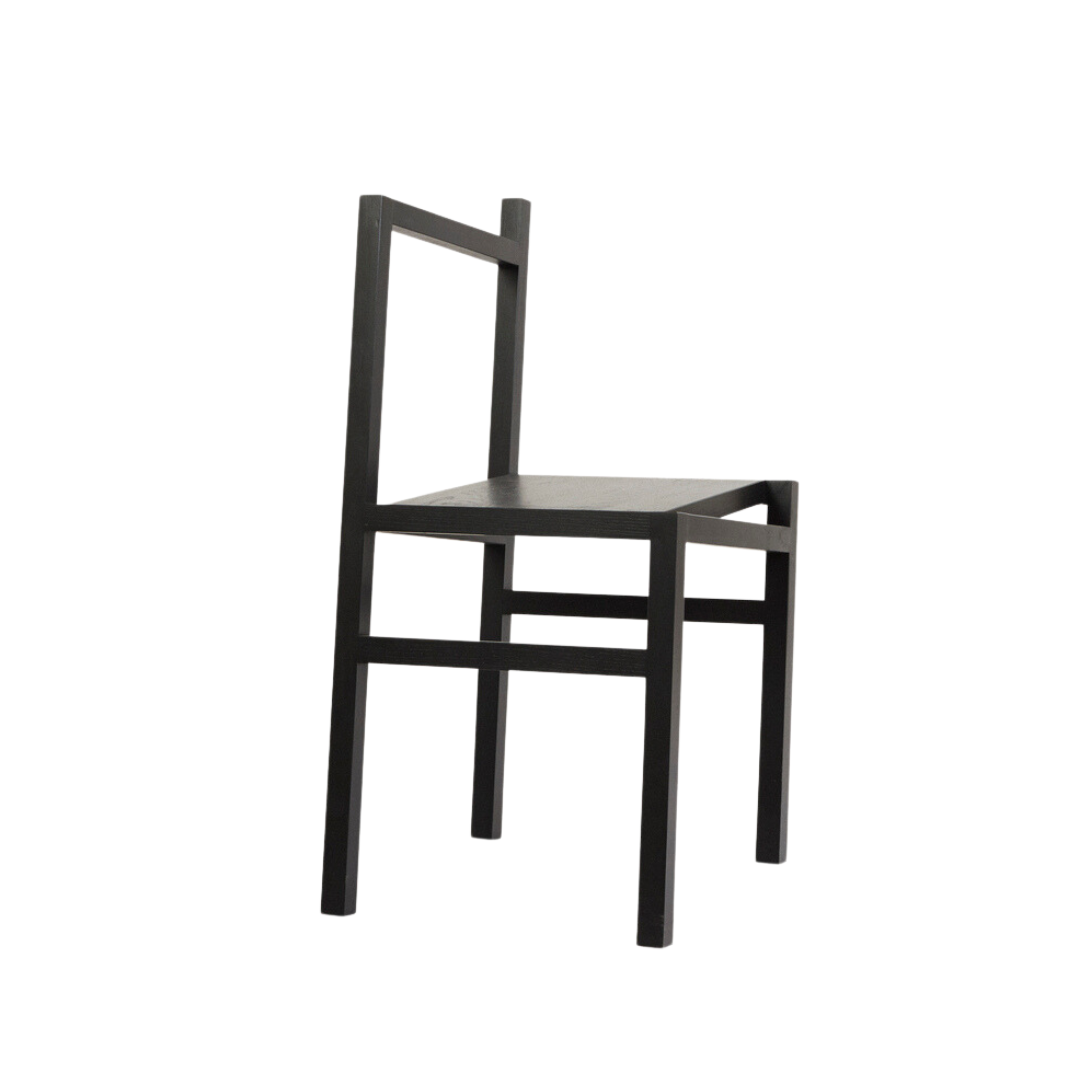
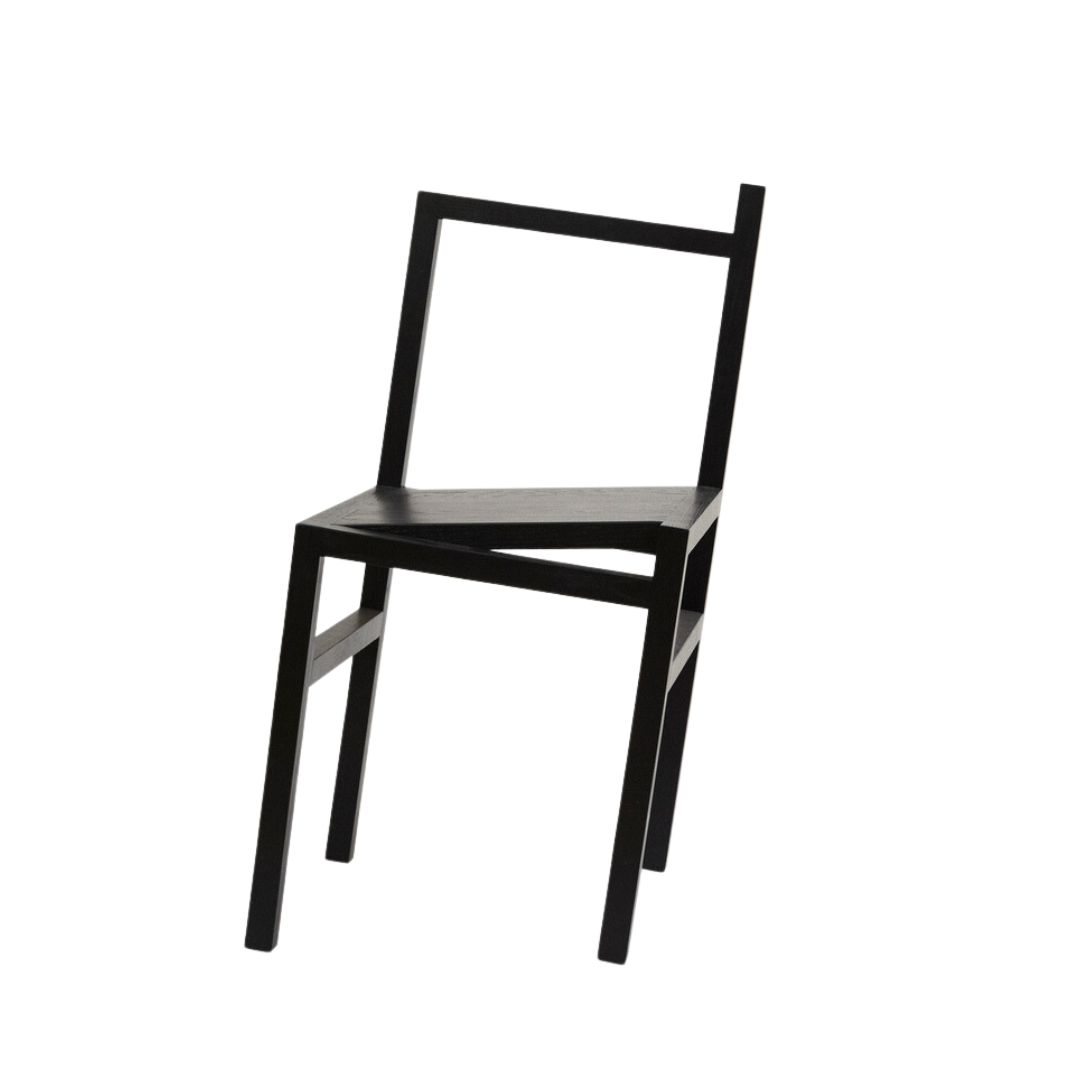
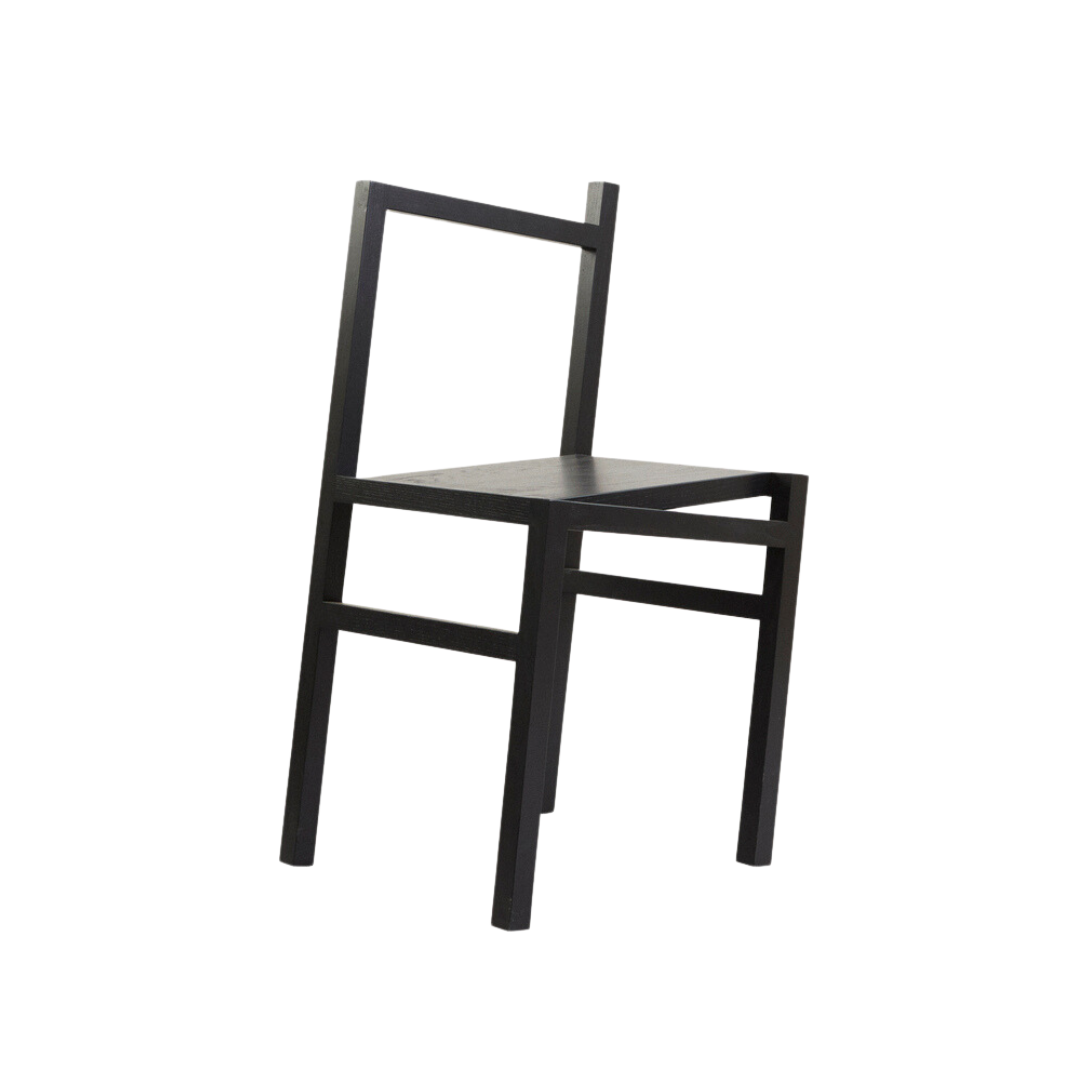
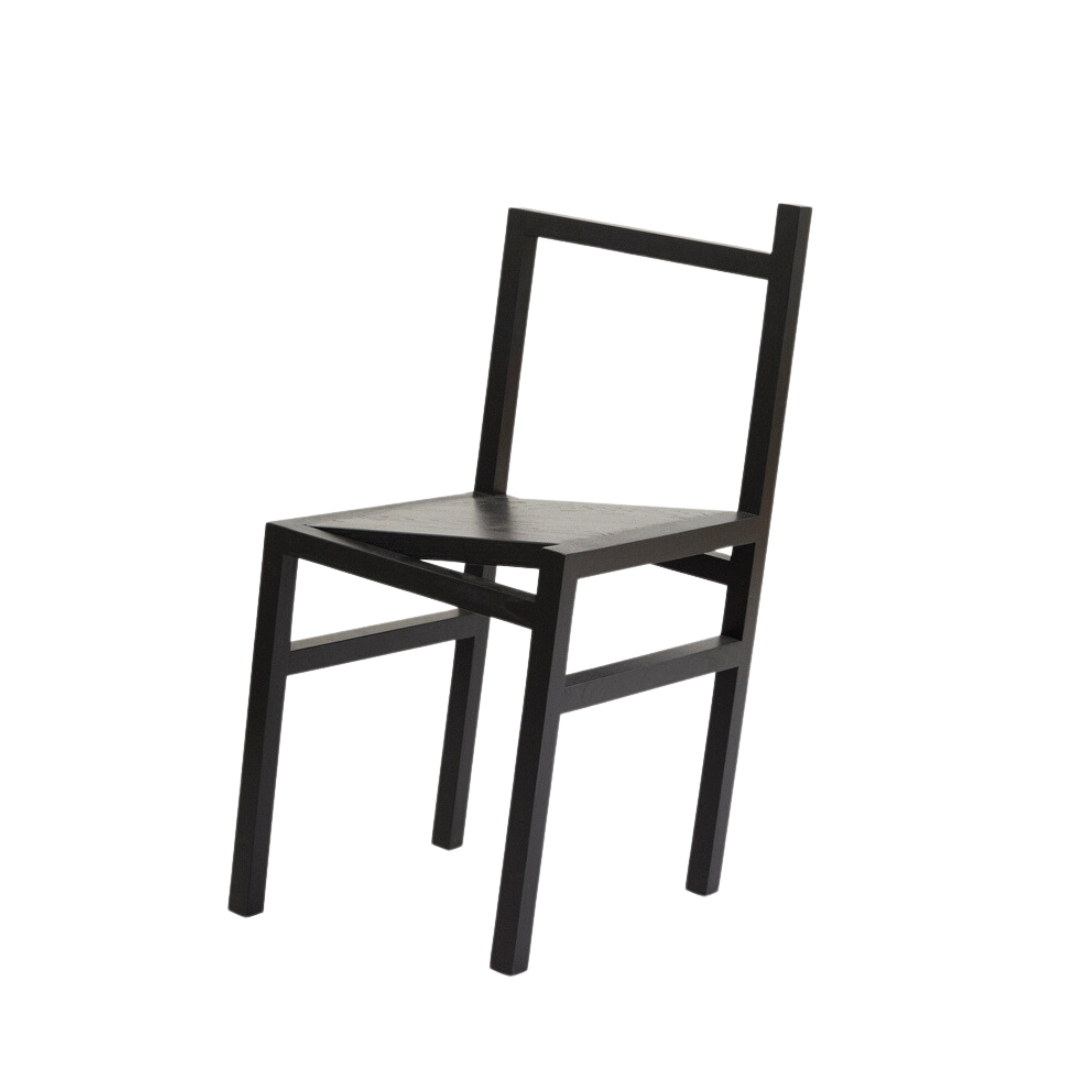
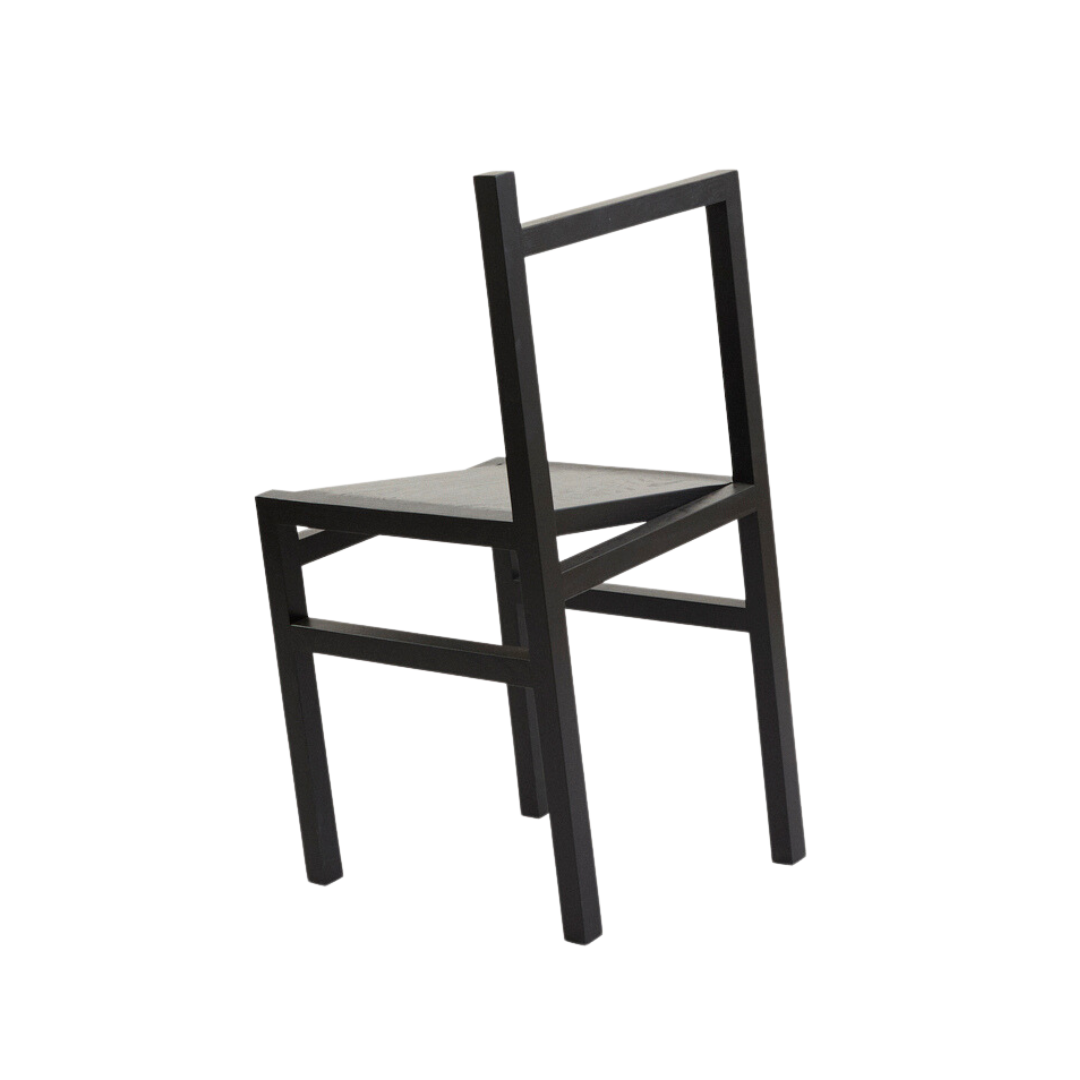
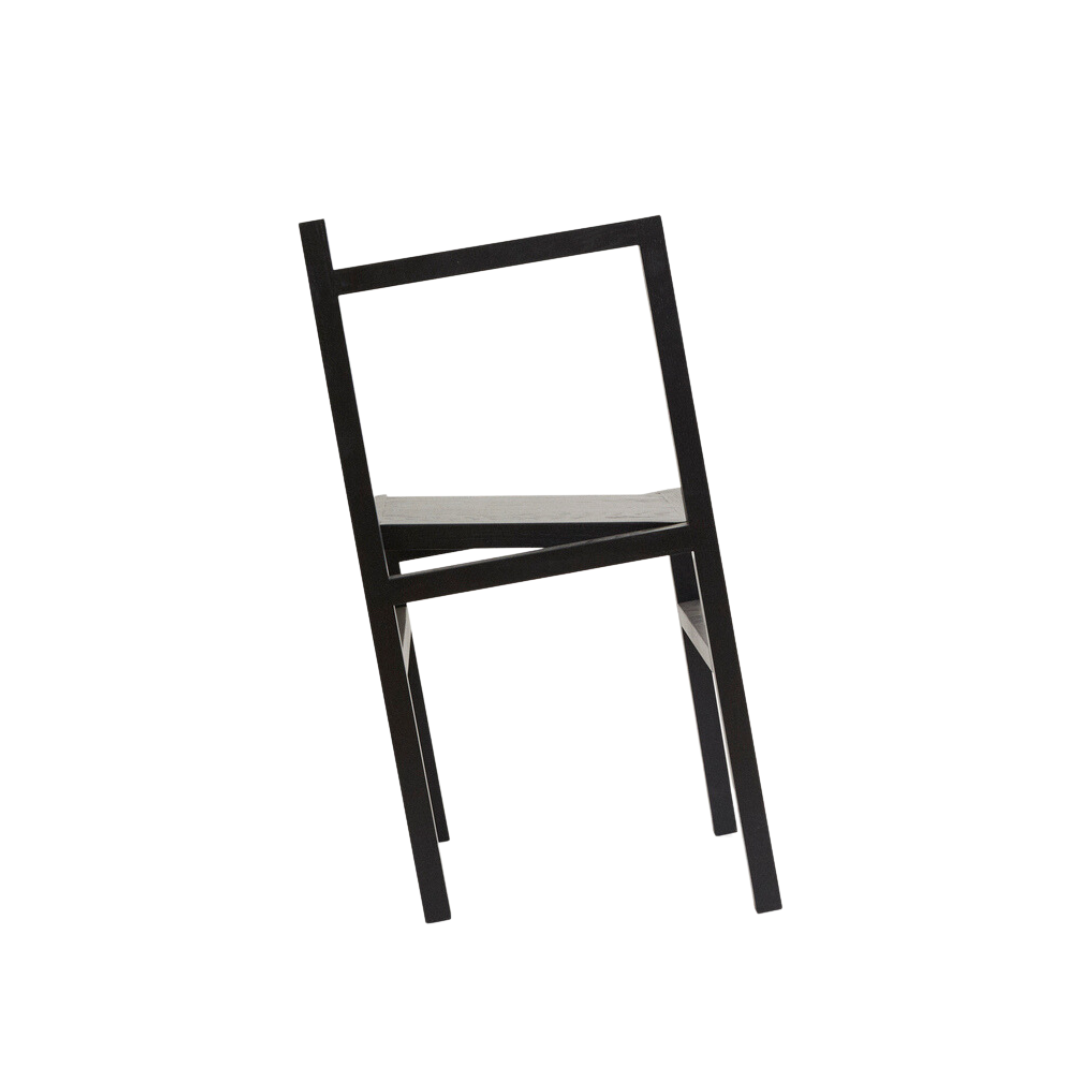
9.5° Chair

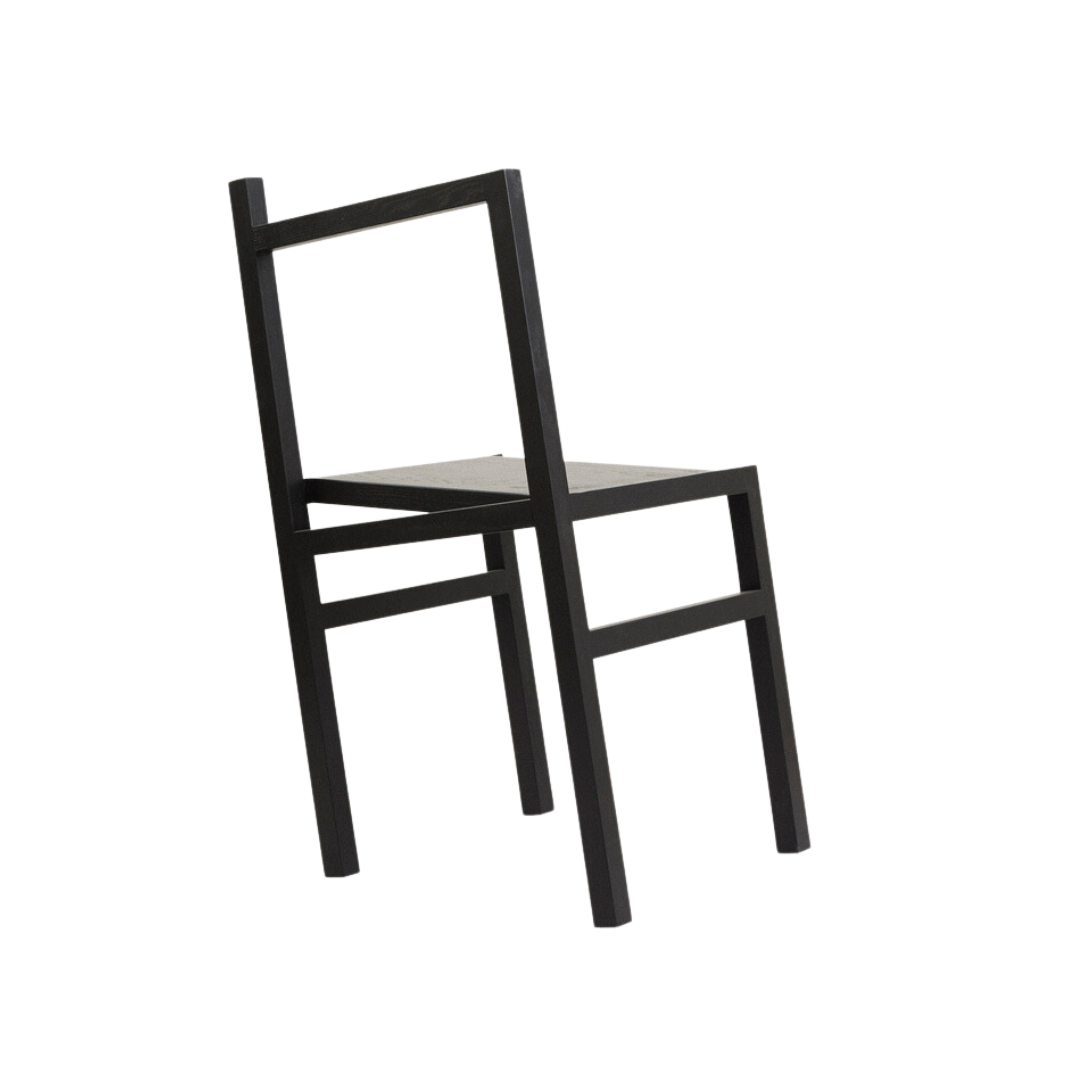
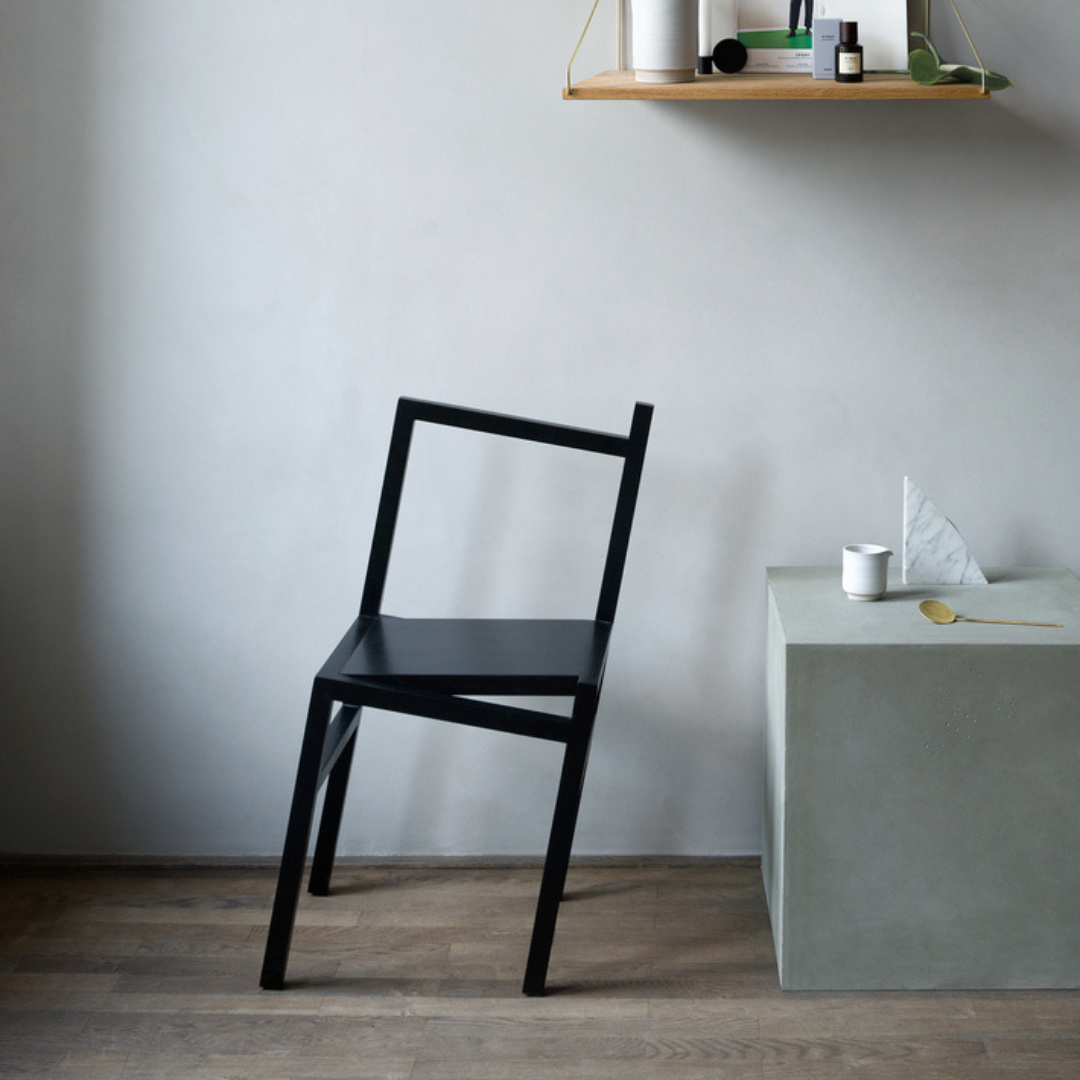
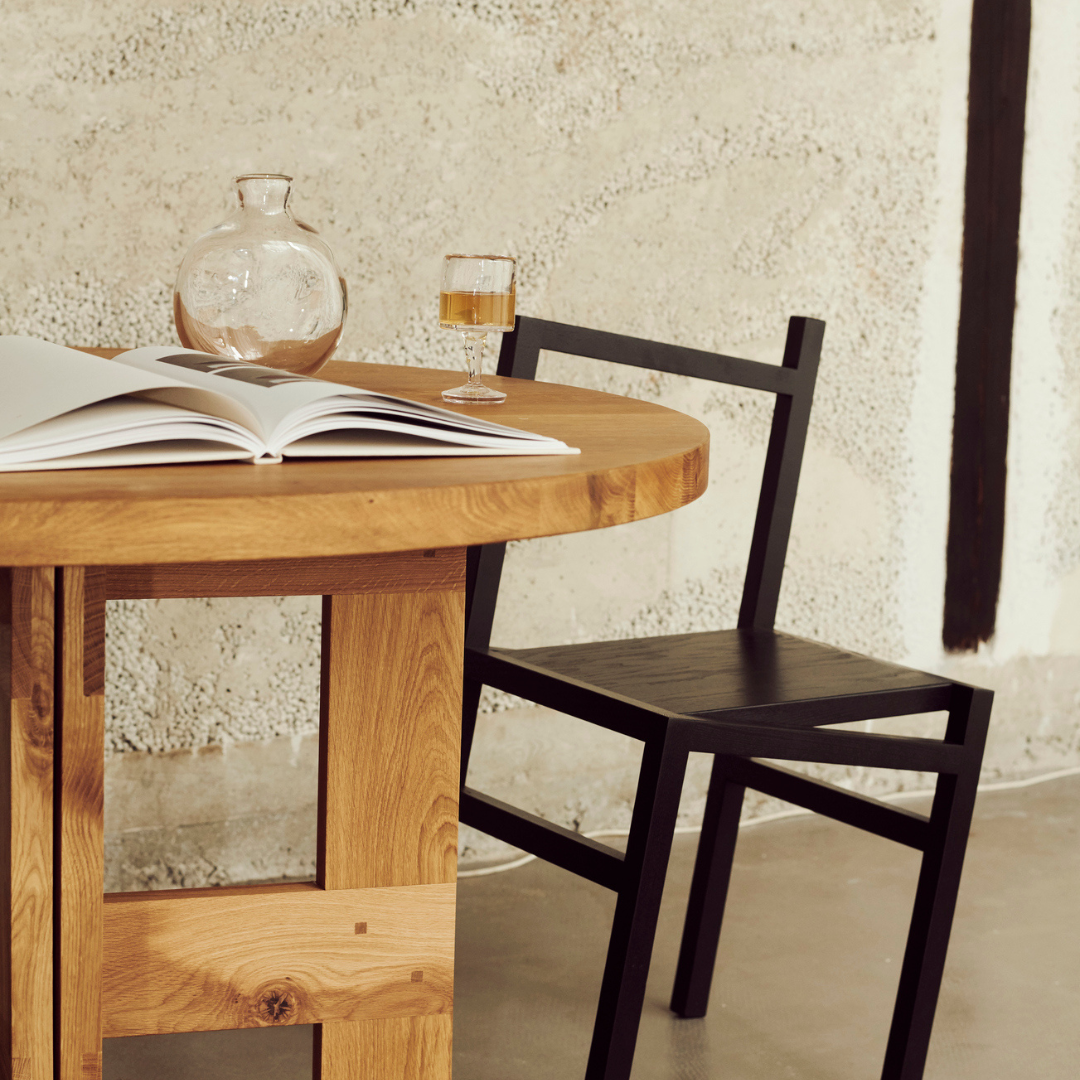
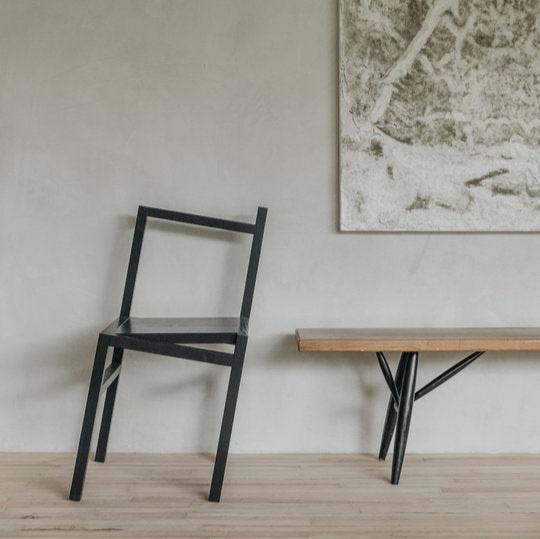
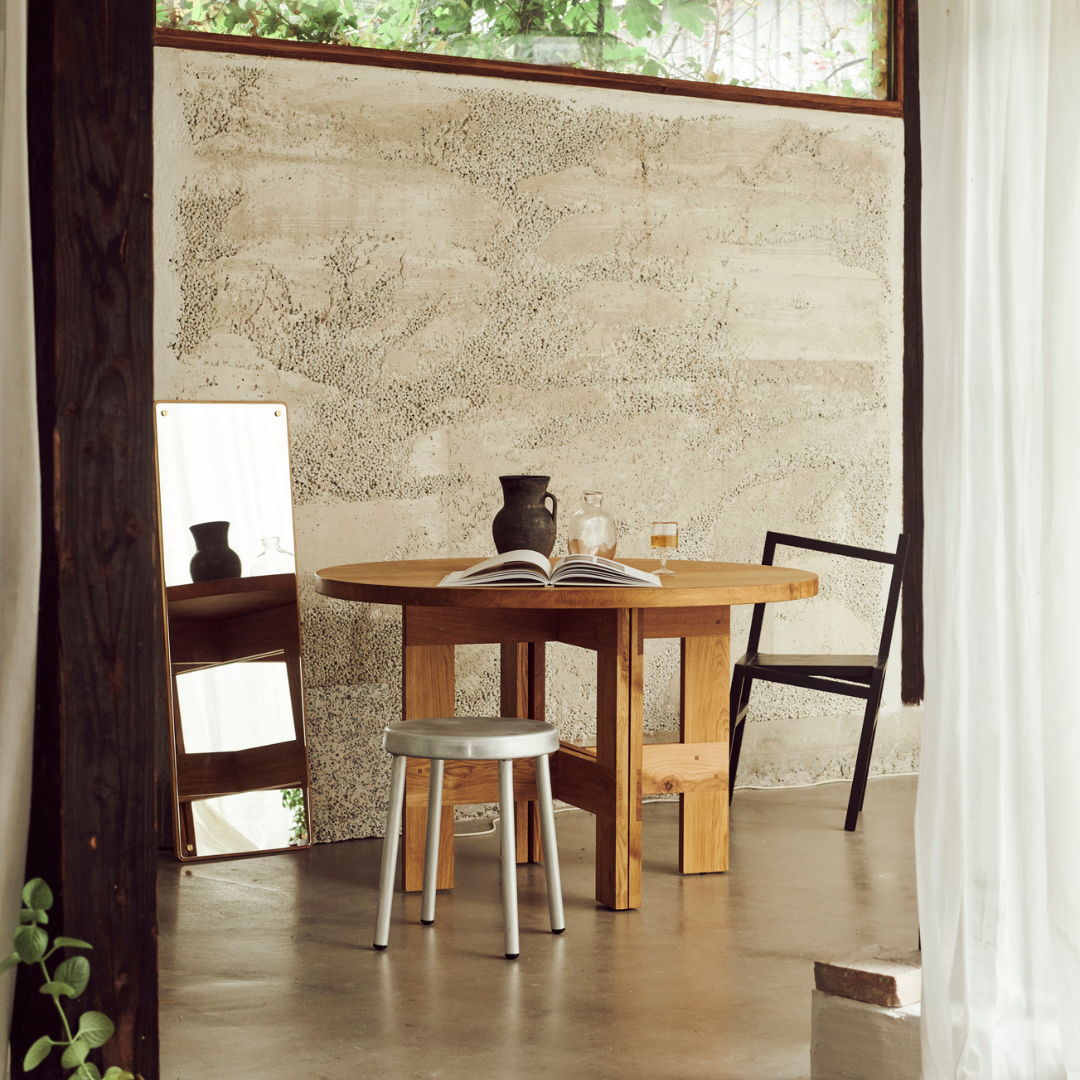
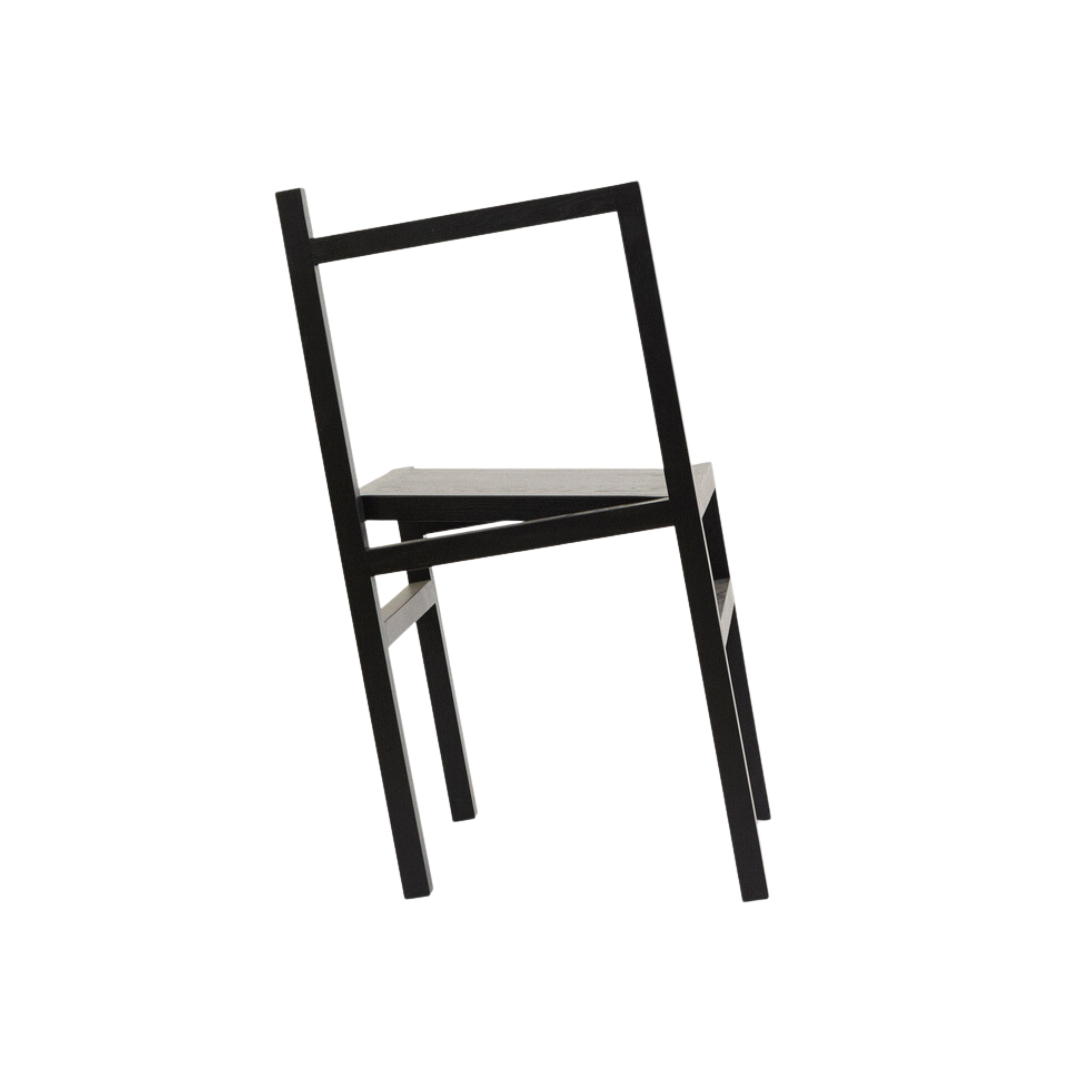
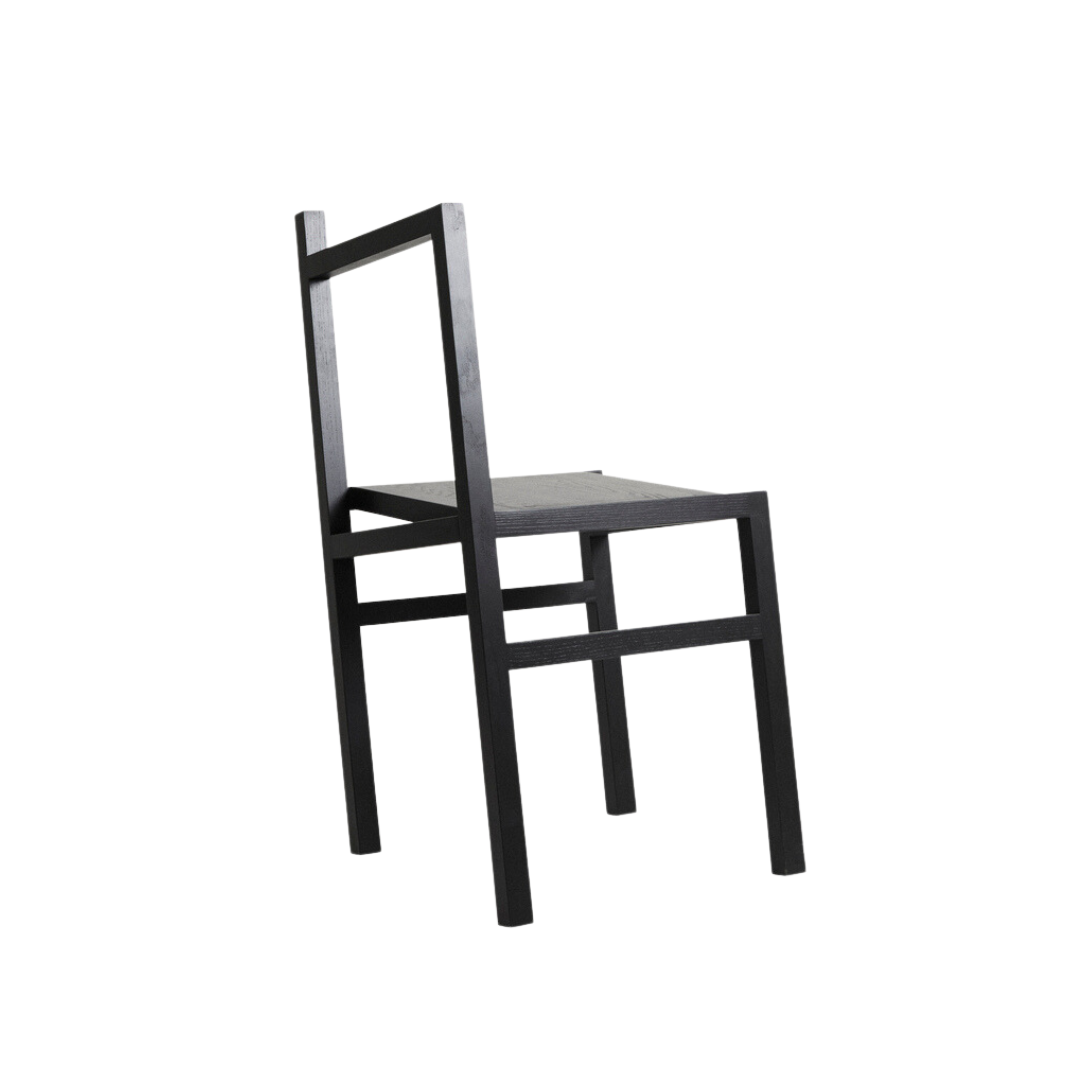
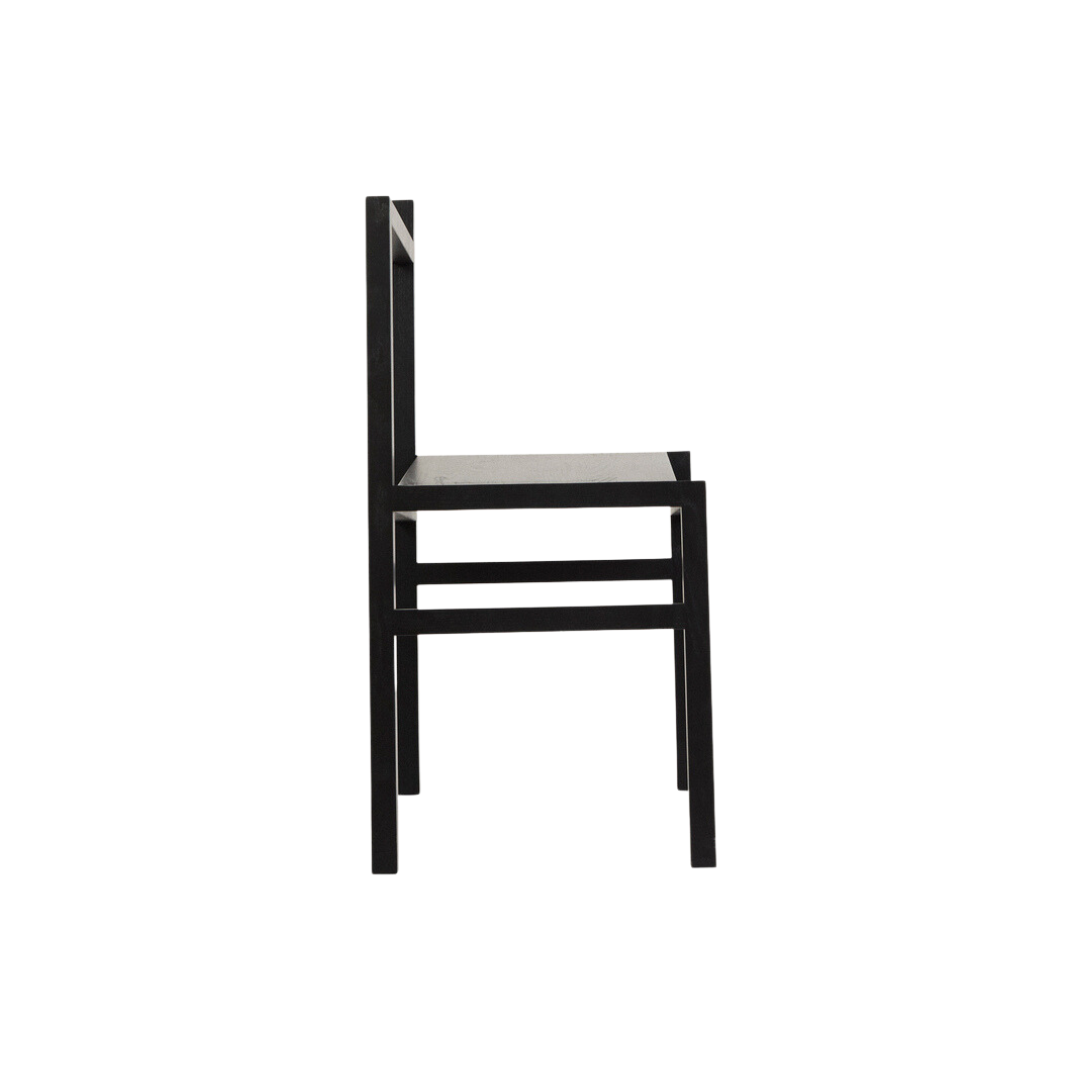
Exploring the boundaries between art and design, the 9.5° Chair is a result of studying Plato’s notion of the ideal chair. This sculptural chair serves as fully functional seating, winning the 2014 award for "Furniture of the year" and featured as the museum chair at Knut Hamsun Museum in Norway. The 9.5° Chair is also a part of the permanent collection at Denmark's Trapholt Museum.
Subject to a creative process of experimentation, the 9.5° Chair transcends our expectations, becoming more than a simple form that follows function.
Please Note: Natural materials come with peculiarities. This piece will develop a characteristic patina over time
Black Ash Wood
33.5"H x 17.7"W x 15.7"D
Choose options
Rooted in Scandinavian design, FRAMA is dedicated to building pieces that last for years to come. Heirloom-quality design requires a thoughtful production process, and FRAMA’s is unique, operating small-scale manufacturing by producing designs in lower volumes at smaller production facilities throughout Europe. Small-scale production lines benefit local communities while ensuring quality and consistency. FRAMA ensures durability and strength by turning to natural materials such as solid wood, marble, clay, terracotta, and natural textiles.
Here’s a glimpse at FRAMA’s design philosophy:
“We believe thoughtful design can awaken curiosity and inspire discovery— a design philosophy stimulating the senses and conveying feelings of balance and meaning. We hope that all of our work encourages a slower, more reflective lifestyle and supports the well-being of all. We are enriched by our clients and strengthened by the diversity of our team and collaborators. Through the convergence of customer feedback, client aspirations, and creative problem solving our multidisciplinary studio creates objects and projects focusing on utilitarian living and self-care. We approach each project with empathy, trust, and respect for diverse points of view—meanwhile, the continuous curiosity, passion, and dedication help us through the relentless pursuit to create long-lasting work.”
With this philosophy in mind, FRAMA approaches the design process with “curiosity, experimentation, intuition, and a quest for authenticity.” For inspiration, FRAMA turns to four experiential influences: travel, nature, spaces, and stories. Together, these influences help to form a unique character and distinctive atmosphere tied to a specific place and time.